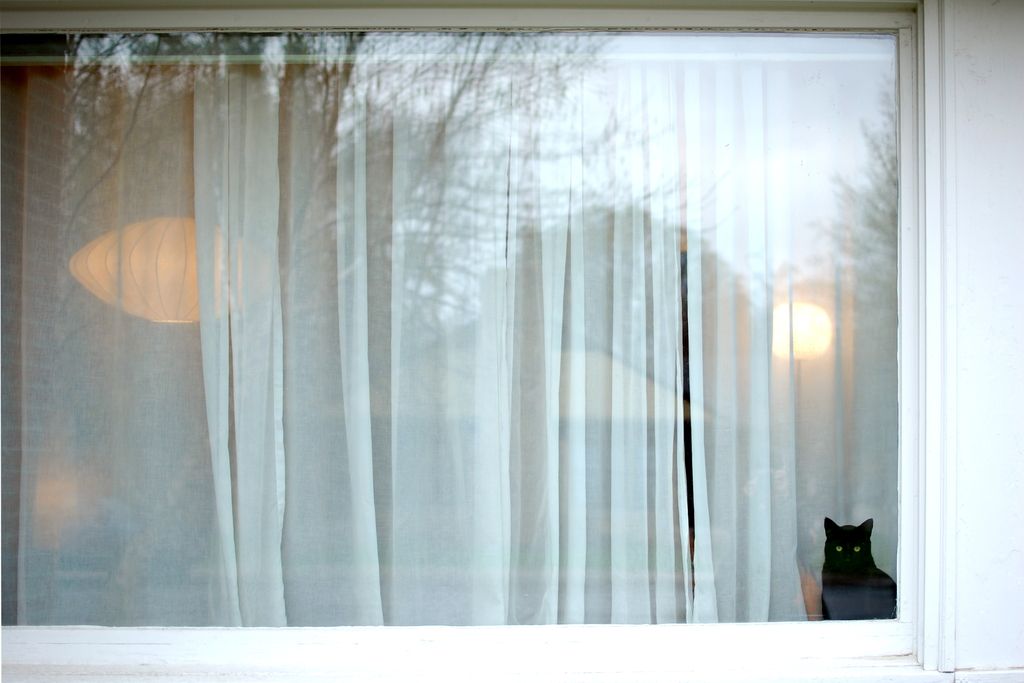
Living close to the action has plenty of perks, but traffic, sirens and late-night conversations under the window can make it hard to relax. Noise finds its way in through gaps, glass and thin walls. Tackling each of those paths in turn can make your home feel remarkably peaceful.
Seal the gaps first
Sound travels wherever air does. Before investing in bigger upgrades, check for gaps around doors, windows, outlets and pipes. Fresh weatherstripping, door sweeps and acoustic sealant are inexpensive and often make a noticeable difference on their own.
Upgrade your windows
Windows are usually the weakest point for noise. Replacement windows with laminated or thicker glass, and frames that seal tightly, can reduce street sound dramatically. They also cut drafts and help with heating and cooling bills, so the benefit is felt all year.
Add mass and softness inside
Hard surfaces bounce sound around a room, making every noise feel louder. Soft furnishings absorb it.
- Heavy lined curtains on street-facing windows.
- Area rugs with thick pads over hard floors.
- Bookshelves and upholstered furniture along shared or street-side walls.
- Acoustic underlayment when you replace flooring.
Insulate walls and ceilings
If you are renovating, adding sound-rated insulation inside walls and between floors makes a lasting difference. A second layer of drywall with a damping compound is another proven way to quieten a bedroom or home office that faces the street.
Create a quiet zone
You do not have to soundproof the whole house at once. Choose the room where calm matters most, often the main bedroom, and focus your upgrades there first. Once you have experienced a truly quiet space, you will know exactly where to go next.
Ready to plan your own project?
Our team is happy to talk through ideas with you.